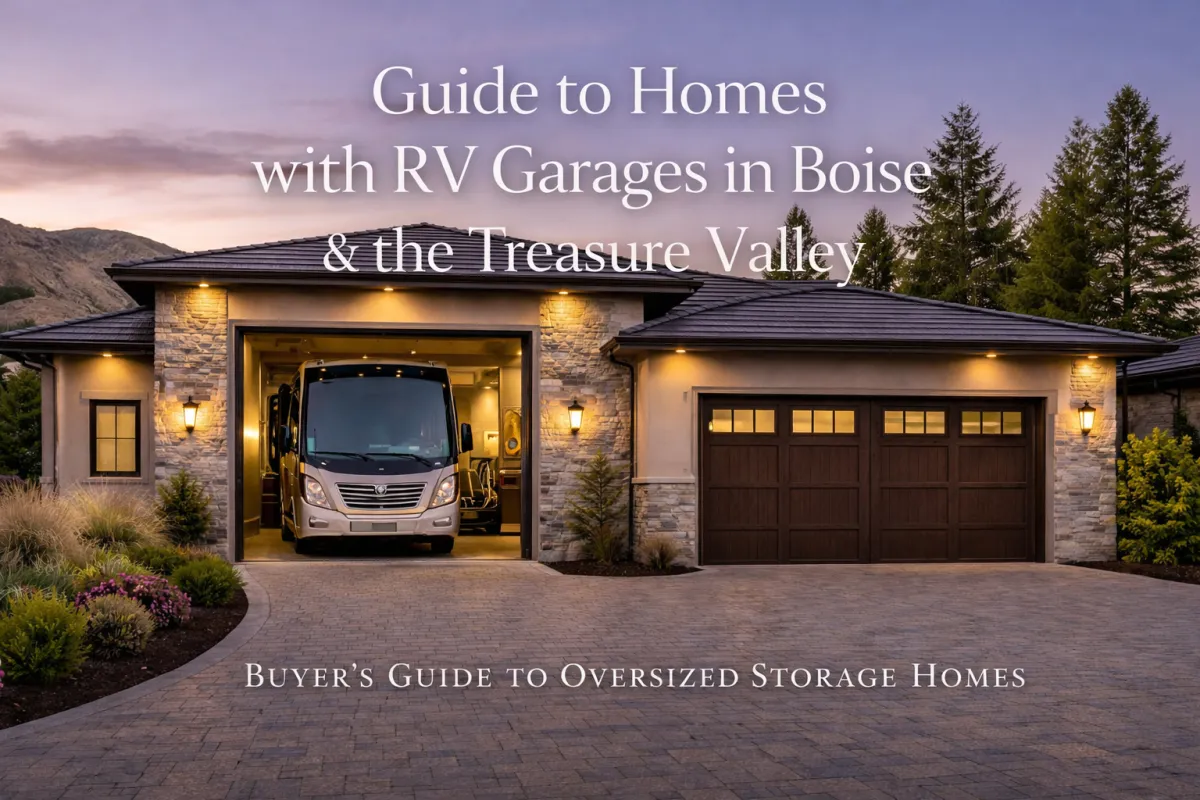
RV & Boat Garage Homes in Boise: Buyer's Guide to Treasure Valley Storage Properties
The Ultimate Guide to Homes with RV & Boat Garages in Boise, Eagle, Meridian, and Star
![[HERO] The Ultimate Guide to Homes with RV & Boat Garages in Boise, Eagle, Meridian, and Star (Classic & SEO-friendly)](https://cdn.marblism.com/N2p866s9zPn.webp "[HERO] The Ultimate Guide to Homes with RV & Boat Garages in Boise, Eagle, Meridian, and Star (Classic & SEO-friendly)")
If you've got a boat, RV, or snowmobile collection and you're eyeing the Treasure Valley, you're in the right place. Finding a home with enough garage space to actually fit your weekend toys isn't always easy, but it's totally doable if you know where to look.
One thing that surprises a lot of buyers (especially if you're relocating) is this: in many newer Treasure Valley neighborhoods, HOA rules can be strict about RVs, boats, and trailers being parked on the street or even sitting in your driveway. In some communities, it’s a quick path to warning letters and fines.
That’s why an actual enclosed RV garage (not just “RV parking on the side”) can turn into a true must-have—especially if you don’t want to pay for off-site storage or stress about whether you’re allowed to keep your rig at home.
This guide breaks down everything you need to know about RV and boat garage homes across Boise, Eagle, Meridian, and Star. We'll cover the neighborhoods where these properties pop up most, what to expect in terms of specs, and how to avoid the common mistakes buyers make when they're shopping for oversized garages.
The Cheat Sheet: What You Need to Know at a Glance
Here's your quick-hit overview before we dive in:
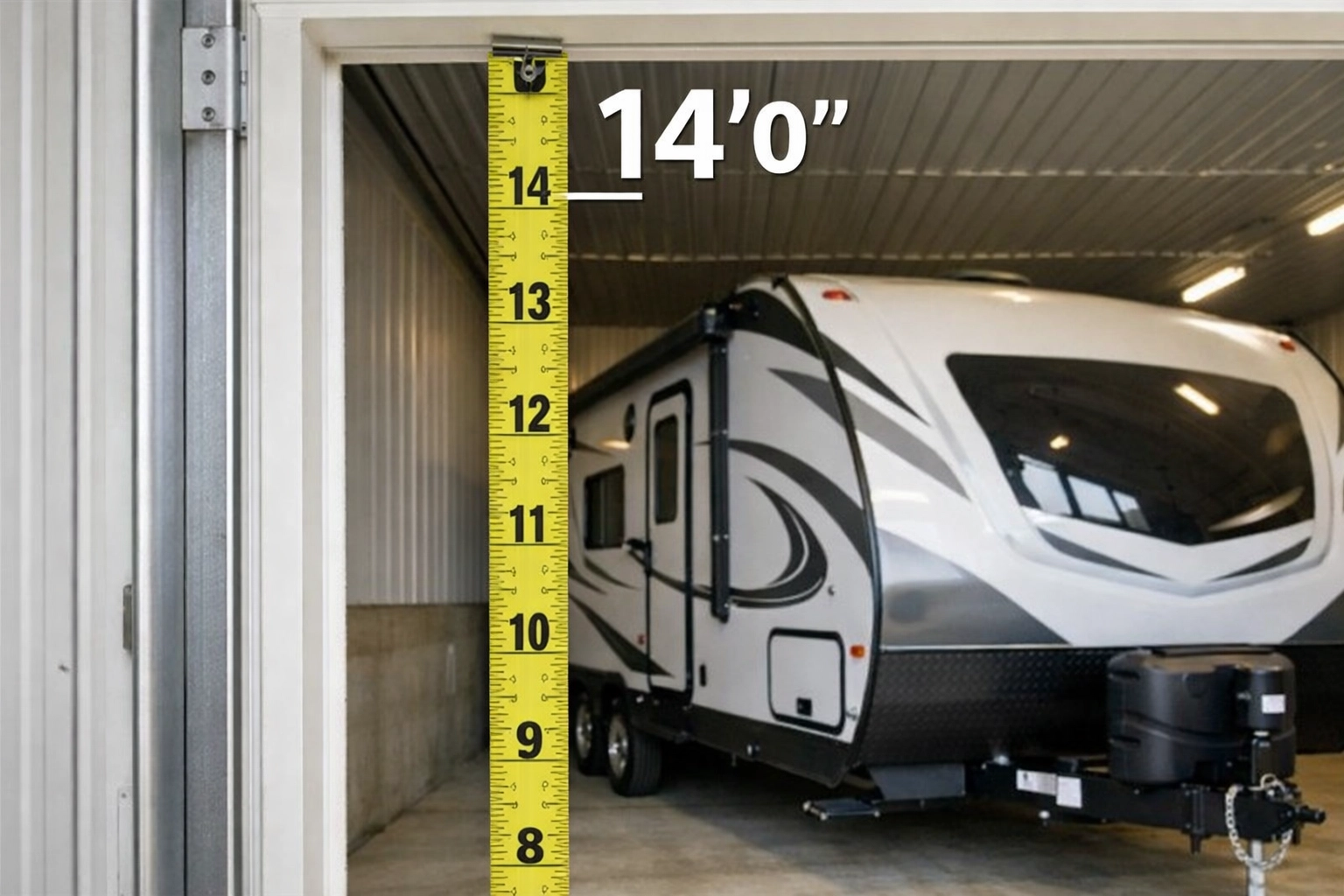
Door height matters: You need at least 13 feet, preferably 14-16 feet, for most RVs
Depth is king: Look for 40+ feet to fit Class A motorhomes comfortably
Boise hot spot: Dry Creek Ranch is known for homes with built-in RV bays
Where you’ll find these most often: Newer master-planned communities, foothills-edge neighborhoods, and acreage pockets on the west/north side of the valley tend to offer the best RV/boat garage options
Current inventory: Around 39–60+ active listings across the Treasure Valley at any given time
Now let's get into the details.
What Is an RV or Boat Garage Home?
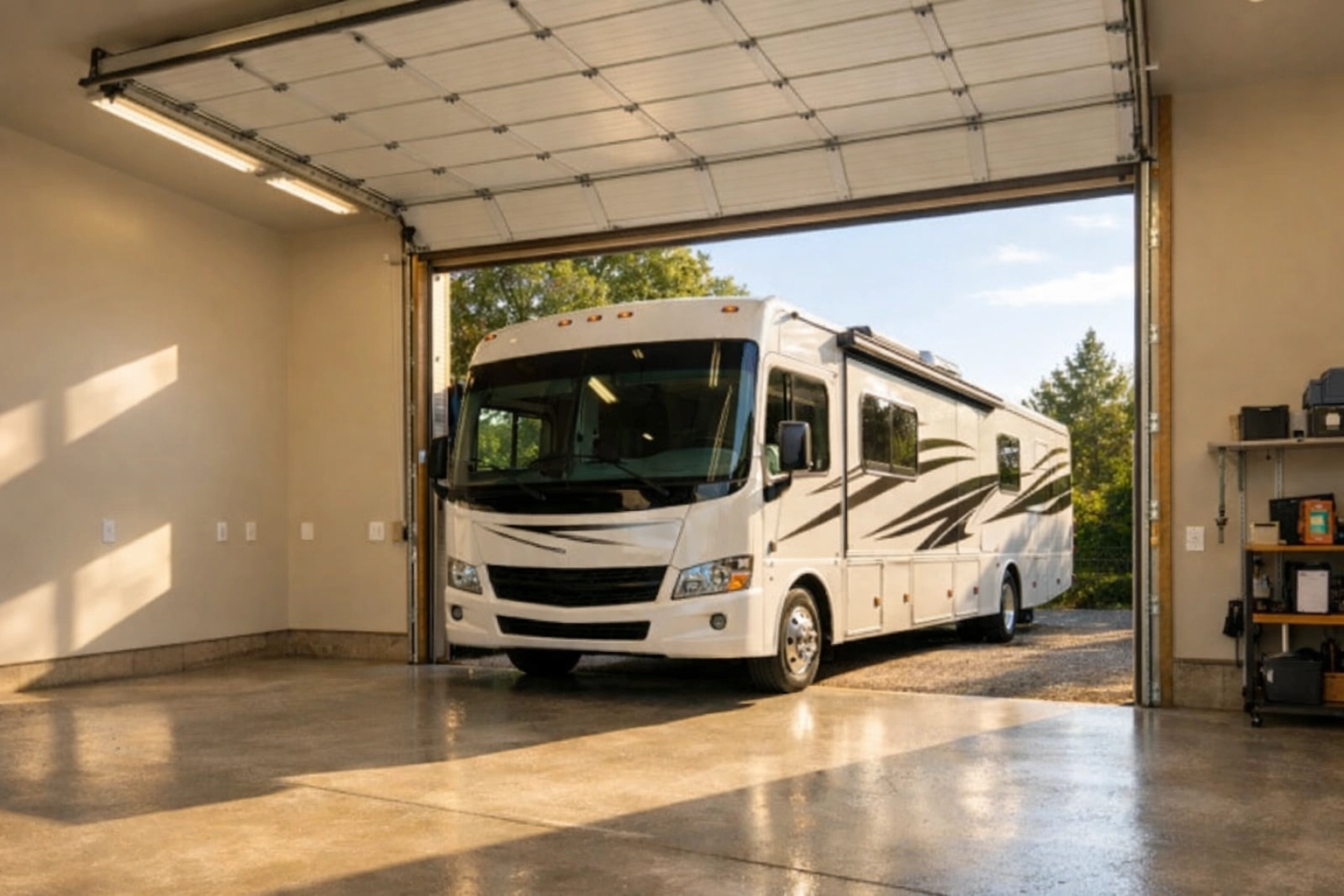
An RV or boat garage home is exactly what it sounds like, a residential property with a garage specifically designed to store larger vehicles like RVs, boats, trailers, or toy haulers. These aren't your standard two-car garages. We're talking tall doors, deep bays, and often separate entrances or detached structures.
Key features include:
Oversized garage doors (13+ feet high)
Extended depth (40+ feet)
Reinforced flooring for heavy vehicles
Extra electrical outlets for winterizing or maintenance
Sometimes separate utility hookups
These garages can be attached to the main house or built as standalone structures. Some buyers even use them as workshop spaces, home gyms, or heated storage for classic cars, they're incredibly versatile beyond just parking your RV.
Why This Matters in Boise, Meridian, Eagle & Star
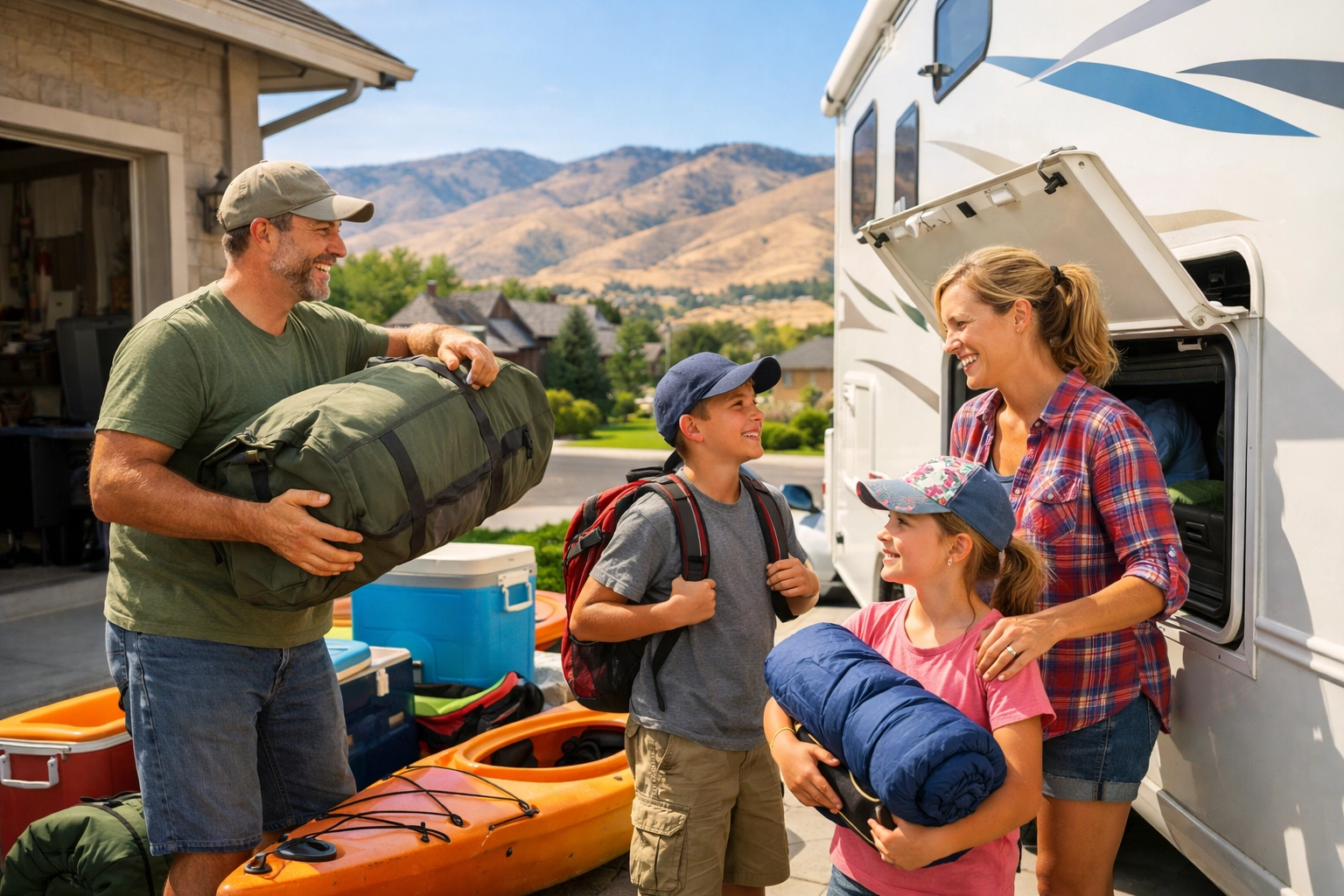
The Treasure Valley isn't just growing, it's attracting a specific type of buyer. People moving here from California, Washington, and Oregon often come with outdoor lifestyles baked in. That means ATVs, boats, campers, and gear for weekends at Lucky Peak, McCall, or the Payette River.
Here's why RV garage homes are such a hot commodity:
Outdoor culture: Boise residents are active. Having storage for recreational vehicles is almost expected.
HOA restrictions in newer areas: Most newer neighborhoods in Boise, Eagle, Meridian, and Star have strict HOA rules that ban RVs, boats, and trailers from being parked on the street or in driveways. This makes a purpose-built, enclosed garage a total game-changer for owners who want their gear at home.
Year-round use: With Idaho winters, you want covered, climate-controlled storage. Not a gravel pad in the backyard.
Acreage availability: Compared to coastal cities, the Treasure Valley still offers larger lots where oversized garages make sense.
If you're relocating here and you've got toys, this feature moves from "nice to have" to "non-negotiable" pretty quickly.
Key Things to Know
Before you start touring properties, here are the must-know details:
Garage Specs That Actually Work
Minimum door height: 13 feet (though 14-16 feet is better)
Minimum depth: 40 feet for Class A RVs; 35 feet works for smaller trailers
Width: At least 12 feet per bay; 14+ feet is more comfortable
Floor type: Epoxy-coated concrete is ideal for durability
What Changes the Cost (Without Getting Into Price Ranges)
Homes with RV/boat garages typically run higher than comparable homes without them. You're paying for extra square footage and specialized construction.
The biggest factors that move the number up or down:
Door height + bay depth: Taller and deeper = more engineering and cost
Attached vs. detached: Detached shops can be amazing, but utilities + site work add up
Lot type: Acreage and irrigation rights (where applicable) can change the whole picture
Finish level: Basic RV bay vs. fully finished/heated space with epoxy floors, insulation, and built-ins
HOA + design guidelines: Some communities require certain exterior materials or garage orientation, which can impact build cost and availability
If you want, I can narrow this down fast based on your must-haves (door height, bay depth, heated garage, acreage vs. subdivision, etc.).
Attached vs. Detached
Attached garages: Easier to access, climate-controlled, but can limit backyard space
Detached garages: More privacy, better for noise/fumes, easier to expand later
How This Looks Across the Treasure Valley
Each city has its own vibe when it comes to RV garage homes. Here's the breakdown.
Boise
Boise offers the widest variety, from urban-adjacent properties to semi-rural lots on the outskirts.
Top areas to watch for RV/boat garage homes:
Dry Creek Ranch: This is the spot if you want a home with a built-in RV bay. Newer construction, HOA-friendly policies (for enclosed storage), and buyers specifically look here for oversized garages.
Southeast Boise: Larger lots near Barber Park and Rocky Canyon often include detached RV storage, side parking, or shop-style setups—especially in pockets where you’ll see more space between homes.
North End (rare): Older homes occasionally have creative garage conversions, but you’re usually dealing with tighter lots, alley access, and historic constraints.
In Boise, your best strategy is to decide whether you want planned-community consistency (Dry Creek Ranch) or lot flexibility (Southeast Boise/outskirts)—because the garage setups can look totally different depending on where you land.
Eagle
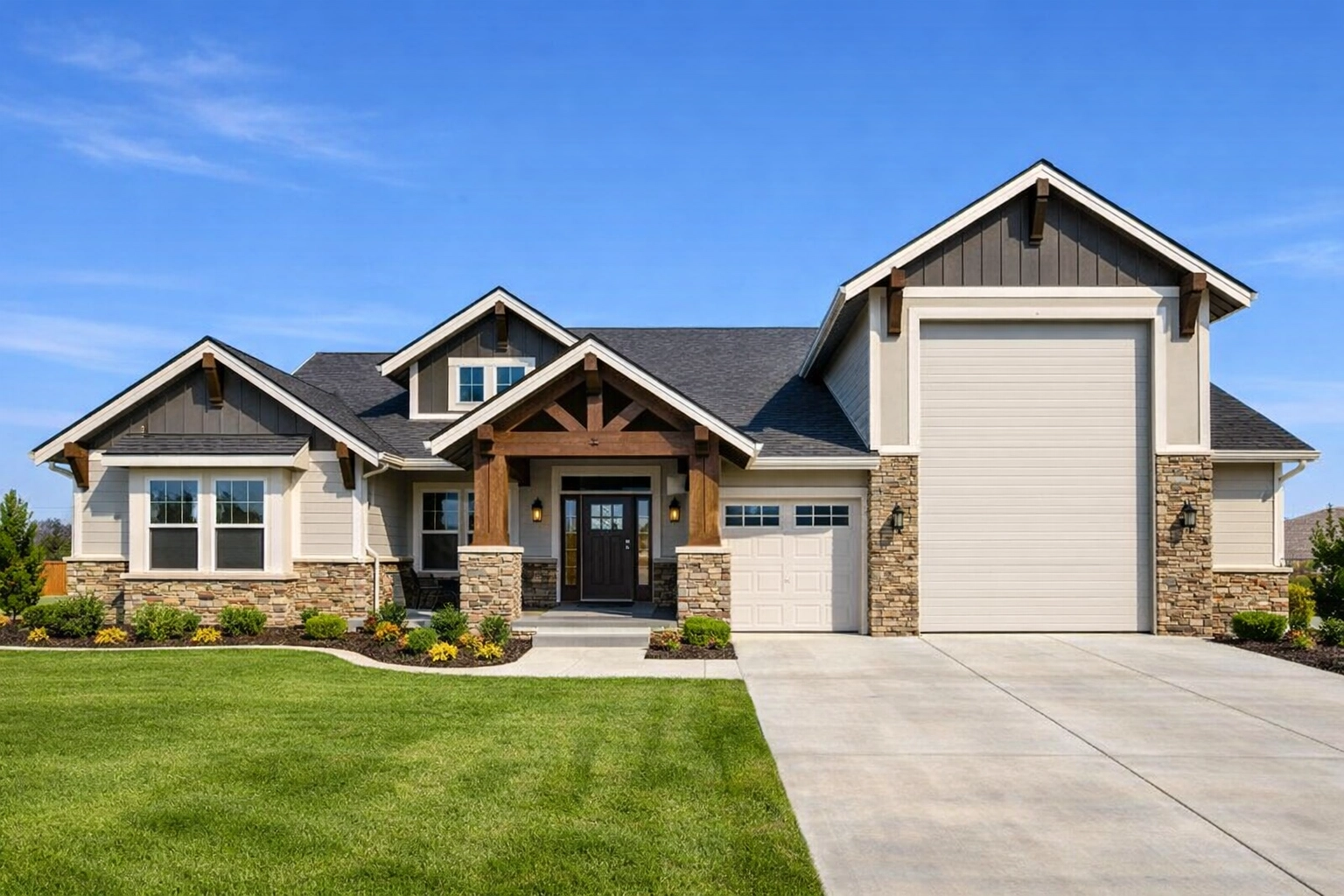
Eagle is where you'll find a blend of acreage properties and newer subdivisions with garage-forward designs. Buyers here tend to prioritize space, privacy, and a more “custom home” feel.
What to expect:
Larger lots (often 0.25–1+ acres, with some true acreage pockets)
Custom or semi-custom builds with three-car+ garages, plus RV bays or detached shops
HOAs are hit-or-miss: some are flexible with enclosed RV storage, others are strict on parking and visibility
In Eagle, RV/boat garage homes show up most consistently where builders lean into higher-end floorplans and bigger lots. If you want a place where the garage feels as intentional as the kitchen, Eagle is a strong contender.
Meridian
Meridian is the sweet spot for families who want suburban convenience but still need toy storage. You'll find more attached RV bays here than anywhere else in the valley.
Why Meridian works:
Newer developments (built post-2010) often include RV bays as part of the floorplan mix
Close to I-84 for easy weekend getaways
Tons of everyday convenience (schools, parks, shopping, and commutes)
If you want a neighborhood where RV garages are “normal” (not a unicorn), focus your search on newer subdivisions, especially in the southern and western Meridian growth areas where larger lots and newer build styles are more common.
Star
Star is the “room to breathe” option if you're willing to drive a bit farther. It’s also one of the best places to find shop-friendly lots and detached garage setups.
Star's advantages:
Larger lots (including small-acreage and true acreage pockets)
Fewer HOA restrictions in many areas (though not all—always verify)
More space for pole barns, additional outbuildings, and wider side yards for access
Star is ideal if you want space to spread out and don’t mind a bit of extra drive time for Boise-area amenities. If your dream setup is a house + big shop (not just an RV bay), Star should be high on your list.
Common Questions (FAQs)
Q: Can I add an RV garage to an existing home?
Yes, but check your local zoning and HOA rules first. Detached garages are often easier to approve than expansions. Budget $40K–$100K+ depending on size and finishes.
Q: Do RV garages add resale value?
Absolutely. In the Treasure Valley, RV storage is a major selling point. Homes with purpose-built garages typically sell faster and for more than comparable properties without them.
Q: What if my HOA doesn't allow RV parking?
That's exactly why an enclosed garage matters. Most HOAs restrict visible RV storage, but if it's inside a garage with the door closed, you're usually fine. Always verify the CC&Rs before buying.
Q: How do I know if a garage is big enough?
Measure your RV (length, height, width) and compare it to the garage specs. Don't assume, I've seen buyers get stuck with garages that are six inches too short.
Q: Are there homes with multiple RV bays?
Yes—especially on acreage properties. These are more common in Eagle and Star, and they tend to be custom builds or heavily upgraded garage packages.
Mistakes to Avoid
Here's where buyers trip up:
Skipping the HOA review: Just because a home has an RV garage doesn't mean the HOA allows RV ownership. Read the fine print.
Ignoring door clearance: A 12-foot door might fit your boat trailer: but not your Class C motorhome. Measure twice, buy once.
Overlooking electrical needs: If you plan to winterize your RV in the garage, you'll want 220V outlets. Not all garages have them.
Forgetting about resale: Even if you don't have an RV now, buying a home with that feature keeps your options open: and appeals to future buyers.
How to Approach This the Smart Way
Ready to start shopping? Here's your game plan:
Get clear on your specs: Write down your RV/boat dimensions before you tour a single home. This saves time and frustration.
Work with a local agent: Someone who knows which neighborhoods have the inventory you need. (Shameless plug: that's where I come in.)
Tour strategically: Focus on neighborhoods known for RV-friendly builds: Dry Creek Ranch, Eagle foothills, southern Meridian, and Star.
Check the fine print: Review HOA docs, zoning rules, and garage specs before making an offer.
Budget for upgrades: If you find a home with a small garage, factor in the cost of expansion before you buy.
The right home with the right garage is out there. It's just a matter of knowing where to look and what questions to ask.
Wrapping Up
Finding a home with an RV or boat garage in the Treasure Valley isn't rocket science: but it does require some planning. Whether you're eyeing Dry Creek Ranch in Boise, acreage in Star, or something in between, the key is knowing your must-haves and working with someone who understands the local market.
The good news? Inventory exists. The Treasure Valley has dozens of homes with oversized garages at any given time, and if you're patient (and strategic), you'll find the right fit.
Ready to start your search? I'm Sylvia Dorrance, and I help buyers like you find homes that actually fit your lifestyle: not just your budget. Whether you need 14-foot doors or 5 acres for a pole barn, I know where to look. Let's talk. Visit sylviatherealtor.com or reach out directly to get started.


